
Collaborative Care in Veterinary Internal Medicine
- Joshua King
- Aug 15, 2025
- 5 min read

In the world of veterinary medicine, collaboration is key. Just like in human healthcare, pets often require a team of specialists to ensure they receive the best possible care. This is especially true in veterinary internal medicine, where complex cases demand a multifaceted approach.
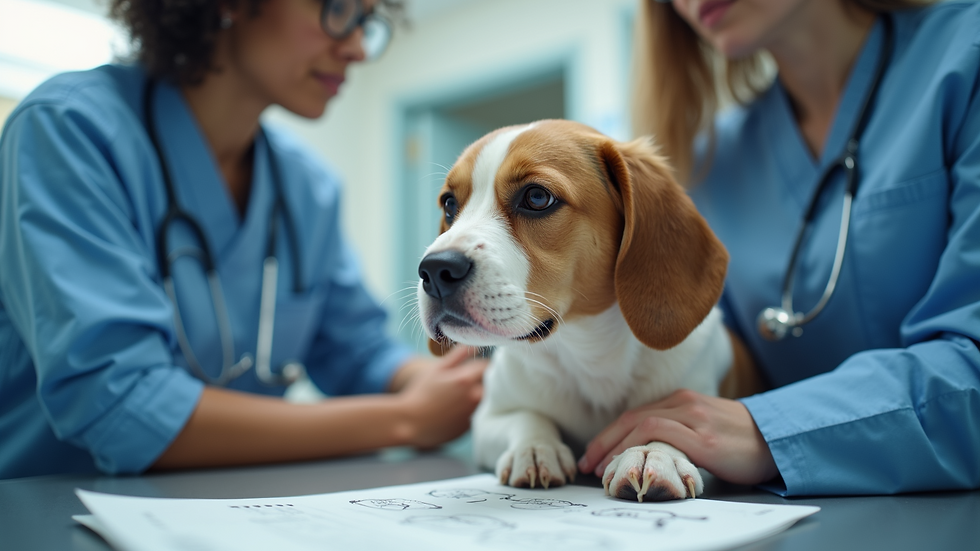
Collaborative care in veterinary internal medicine involves veterinarians, specialists, technicians, and even pet owners working together. This teamwork can lead to better outcomes for our furry friends. In this blog post, we will explore the importance of collaborative care, how it works, and some real-life examples that highlight its benefits.
What is Collaborative Care?
Collaborative care is a model that emphasizes teamwork among various professionals. In veterinary internal medicine, this means that different specialists come together to provide comprehensive care for pets.
This approach is essential for several reasons:
Complex Cases: Many pets suffer from multiple health issues that require different areas of expertise.
Shared Knowledge: Each team member brings unique skills and knowledge, which can lead to better diagnosis and treatment.
Holistic Approach: By working together, the team can consider all aspects of a pet's health, including physical, emotional, and environmental factors.
When a pet is diagnosed with a serious condition, such as diabetes or kidney disease, a collaborative approach can make all the difference.
The Role of the Veterinarian
The primary veterinarian is often the first point of contact for pet owners. They play a crucial role in the collaborative care model.
Here are some of their responsibilities:
Initial Diagnosis: The veterinarian conducts the first examination and runs initial tests to identify health issues.
Referrals: If a case is complex, the veterinarian may refer the pet to a specialist, such as a veterinary internist or an oncologist.
Communication: The veterinarian acts as a liaison between the pet owner and the specialists, ensuring everyone is on the same page.
For example, if a dog is diagnosed with liver disease, the primary veterinarian may refer the pet to a veterinary internist for further evaluation and treatment options.
The Importance of Specialists
Veterinary specialists are essential in the collaborative care model. They have advanced training and expertise in specific areas of veterinary medicine.
Some common specialists include:
Veterinary Internists: Focus on internal medicine and complex diseases.
Veterinary Oncologists: Specialize in cancer treatment.
Veterinary Cardiologists: Deal with heart-related issues.
Veterinary Neurologists: Focus on brain and nervous system disorders.
When a pet is referred to a specialist, they receive targeted care that addresses their specific health needs.
The Role of Veterinary Technicians
Veterinary technicians are often the unsung heroes of the veterinary team. They play a vital role in collaborative care by providing support to both veterinarians and pet owners.
Their responsibilities include:
Assisting in Procedures: Technicians help with examinations, surgeries, and other procedures.
Monitoring Patients: They keep a close eye on pets during treatment and recovery.
Client Education: Technicians often educate pet owners about care plans and medications.
For instance, if a cat is undergoing treatment for diabetes, a veterinary technician may teach the owner how to administer insulin injections at home.
The Pet Owner's Role
Pet owners are an integral part of the collaborative care team. Their involvement is crucial for successful treatment outcomes.
Here are ways pet owners can contribute:
Providing Information: Owners should share detailed information about their pet's health history and behavior.
Following Care Plans: Adhering to the treatment plan is essential for the pet's recovery.
Communicating Concerns: Owners should feel comfortable discussing any concerns or changes in their pet's condition with the veterinary team.
For example, if a dog is prescribed medication for a chronic condition, the owner must ensure the dog takes it as directed and report any side effects.
Real-Life Examples of Collaborative Care
To illustrate the benefits of collaborative care, let's look at a couple of real-life examples.
Case Study 1: A Dog with Kidney Disease
A 7-year-old Labrador Retriever named Max was brought to the veterinarian for excessive drinking and urination. After initial tests, the veterinarian diagnosed Max with chronic kidney disease.
The veterinarian referred Max to a veterinary internist for further evaluation. The internist conducted additional tests and developed a treatment plan that included dietary changes and medication.
Throughout the process, the veterinary technician provided support by educating Max's owner about the new diet and how to monitor his condition at home. This collaborative approach led to improved management of Max's kidney disease and a better quality of life.
Case Study 2: A Cat with Cancer
Luna, a 10-year-old cat, was diagnosed with lymphoma after her owner noticed weight loss and lethargy. The primary veterinarian referred Luna to a veterinary oncologist for specialized treatment.
The oncologist recommended a chemotherapy protocol tailored to Luna's specific type of cancer. The veterinary technician played a crucial role by helping the owner understand the treatment process and what to expect.
With the combined efforts of the veterinarian, oncologist, and technician, Luna received effective treatment and went into remission, allowing her to enjoy her life again.
Benefits of Collaborative Care
The collaborative care model offers numerous benefits for pets and their owners. Here are some key advantages:
Improved Outcomes: Pets often experience better health outcomes when treated by a team of specialists.
Comprehensive Care: A collaborative approach ensures that all aspects of a pet's health are considered.
Enhanced Communication: Open communication among team members leads to more effective treatment plans.
Increased Owner Satisfaction: Pet owners feel more involved and informed about their pet's care.
By working together, the veterinary team can provide a level of care that is difficult to achieve in a traditional model.
Challenges in Collaborative Care
While collaborative care has many benefits, it is not without challenges. Some common obstacles include:
Communication Gaps: Miscommunication can occur if team members do not share information effectively.
Coordination Issues: Scheduling appointments with multiple specialists can be difficult for pet owners.
Cost Considerations: Specialized care can be expensive, and not all pet owners may be able to afford it.
Despite these challenges, the advantages of collaborative care often outweigh the drawbacks.
The Future of Collaborative Care in Veterinary Medicine
As veterinary medicine continues to evolve, the collaborative care model is likely to become more prevalent. Advances in technology and communication tools can help facilitate better teamwork among veterinary professionals.
For example, telemedicine is becoming increasingly popular, allowing specialists to consult with primary veterinarians remotely. This can improve access to specialized care, especially in rural areas.
Additionally, ongoing education and training for veterinary professionals can enhance their ability to work collaboratively.
Embracing Teamwork for Better Pet Health
In conclusion, collaborative care in veterinary internal medicine is essential for providing the best possible outcomes for our pets. By bringing together veterinarians, specialists, technicians, and pet owners, we can ensure that every aspect of a pet's health is addressed.
As pet owners, it is important to be proactive and engaged in your pet's care. By working closely with your veterinary team, you can help your furry friend live a healthier and happier life.
The future of veterinary medicine is bright, and with continued collaboration, we can look forward to even better care for our beloved pets.


Comments